
Bikaner
Bikaner
Discover Bikaner
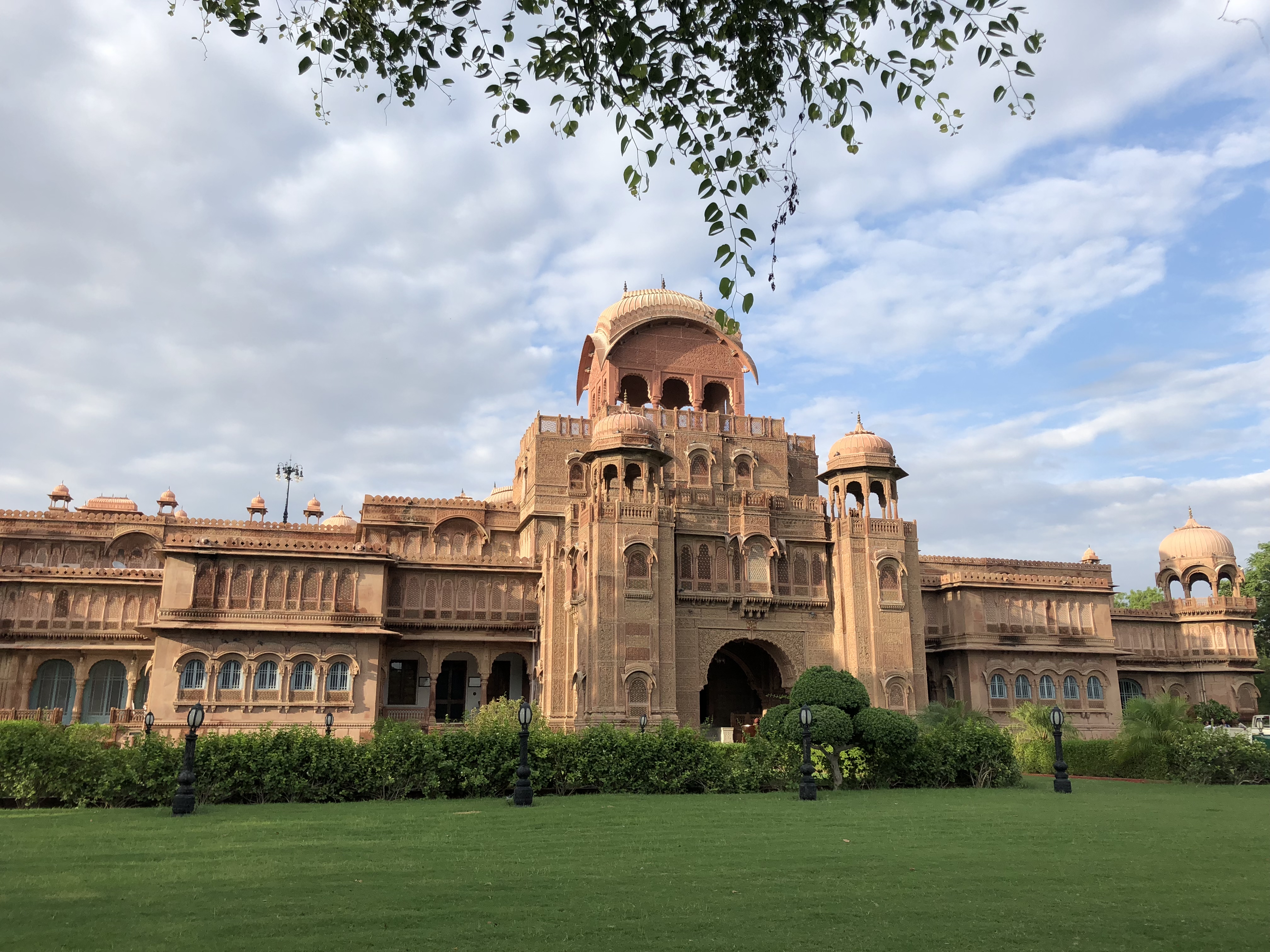
Bikaner is home to one of the only two models of the biplane used by the British during World War I. They were presented by the British to Maharaja Ganga Singh, then ruler of the city. Another unique aspect about Bikaner are the sand dunes that are scattered throughout the district, especially from the north-east down to the southern area. Bikaner is situated in the northern region of Rajasthan. One of the earlier established cities, Bikaner still displays its ancient opulence through palaces and forts, built of red sandstone, that have withstood the passage of time. The city boasts of some of the world’s best riding camels and is aptly nicknamed ‘camel country’. It is also home to one of the world’s largest camel research and breeding farms; as well as being known for having its own unique temple dedicated to Karni Mata at Deshnok, called the Rats Temple.
The origins of Bikaner can be traced back to 1488 when a Rathore prince, Rao Bikaji, founded the kingdom. Legend has it that Bikaji, one of Rao Jodhaji’s five sons, left his father’s Durbar in annoyance after an insensitive remark from his father, the illustrious founder of Jodhpur. Bikaji travelled far and when he came upon the wilderness called Jangladesh, he decided to set up his own kingdom and transformed it into an impressive city.
Must-See Attractions
Step into the desert charm of Bikaner — a city of red sandstone palaces, camel safaris, and timeless Rajput grandeur.
Junagarh Fort
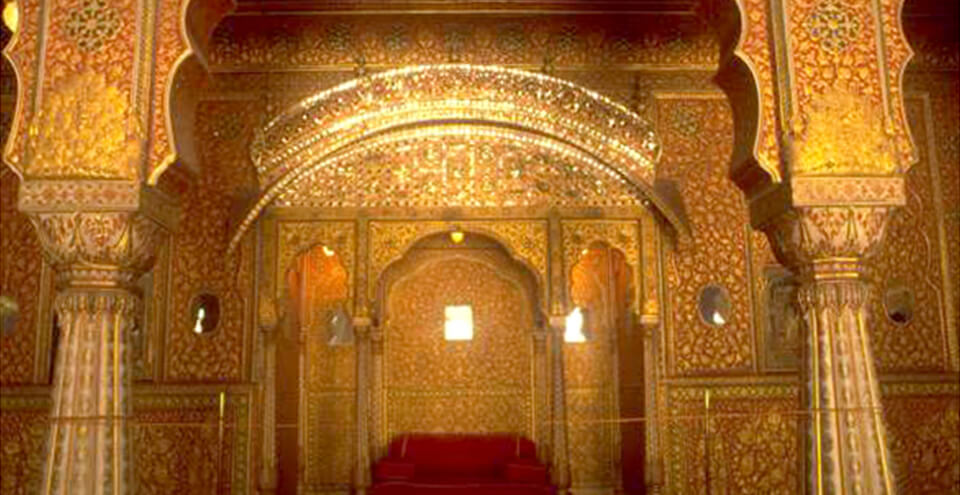
Built in 1588 by Raja Rai Singh, Junagarh Fort is one of the rare forts in India never captured in battle. Its red sandstone and marble palaces, ornate balconies and intricate carvings showcase the artistic brilliance of the Bikaner kingdom.
National Research Centre on Camel
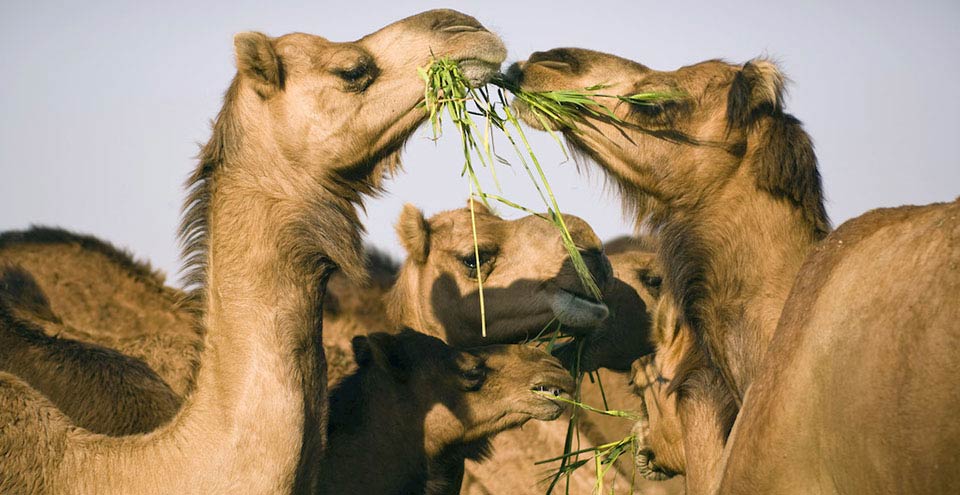
Located 8 km from Bikaner, this unique facility is dedicated to the breeding and research of camels. Visitors can observe different camel breeds, learn about desert ecology, and enjoy camel rides and dairy products made on-site.
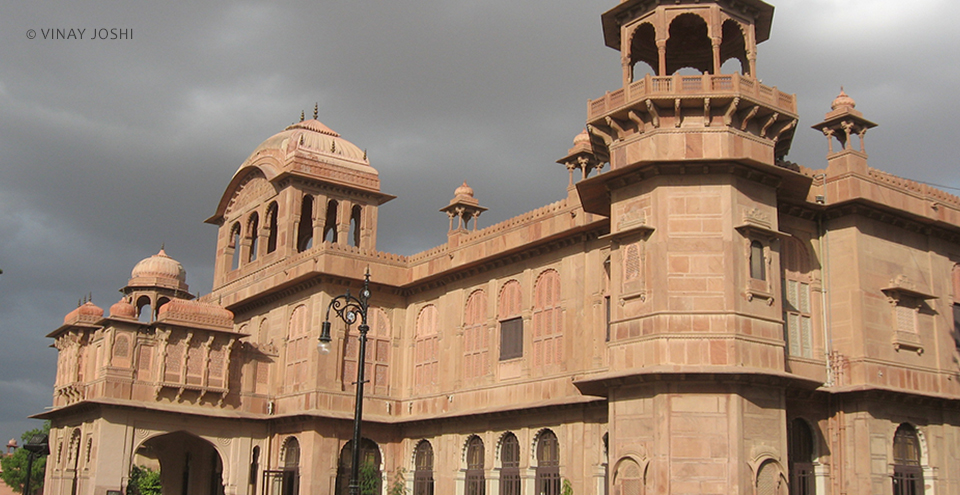
Lalbagh Palace
This grand palace was commissioned by Maharaja Ganga Singh in 1902 as a tribute to his father. Designed by Sir Swinton Jacob, it combines Rajput, Mughal and European architecture, featuring delicate stone screens and lush gardens.
Rampuri Haveli
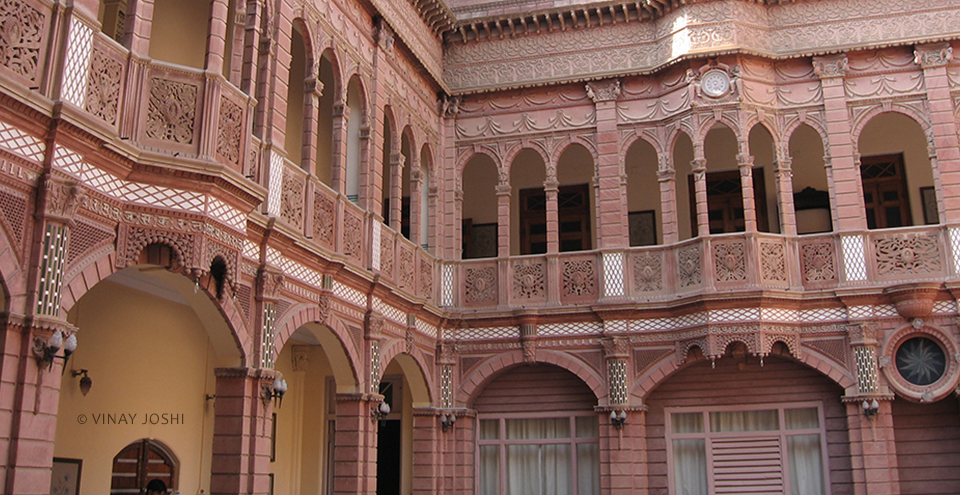
The Rampuria group of havelis, crafted from red Dulmera stone, represents the opulent lifestyle of Bikaner’s merchants. Intricate jharokhas, gold interiors and lavish carvings narrate the grandeur of the bygone era.
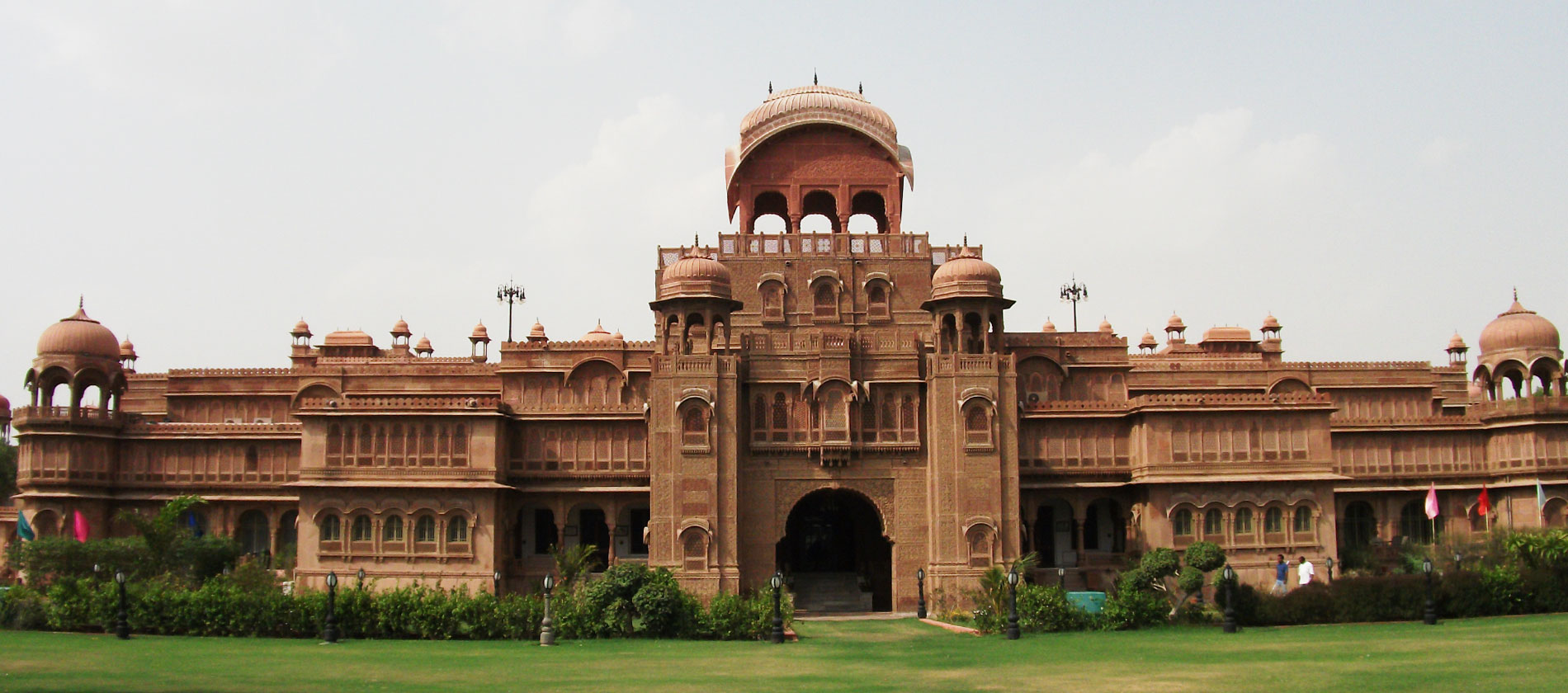
Laxmi Niwas Palace
Once the royal residence of Maharaja Ganga Singh, this Indo-Saracenic architectural gem features ornate courtyards, domes and corridors. Now converted into a heritage hotel, it reflects the grandeur of the Bikaner royal era.
Karni Mata Temple
Located in Deshnok, this striking marble temple is dedicated to Karni Mata, believed to be an incarnation of Goddess Durga. It’s famously home to thousands of sacred rats, considered symbols of luck and prosperity.
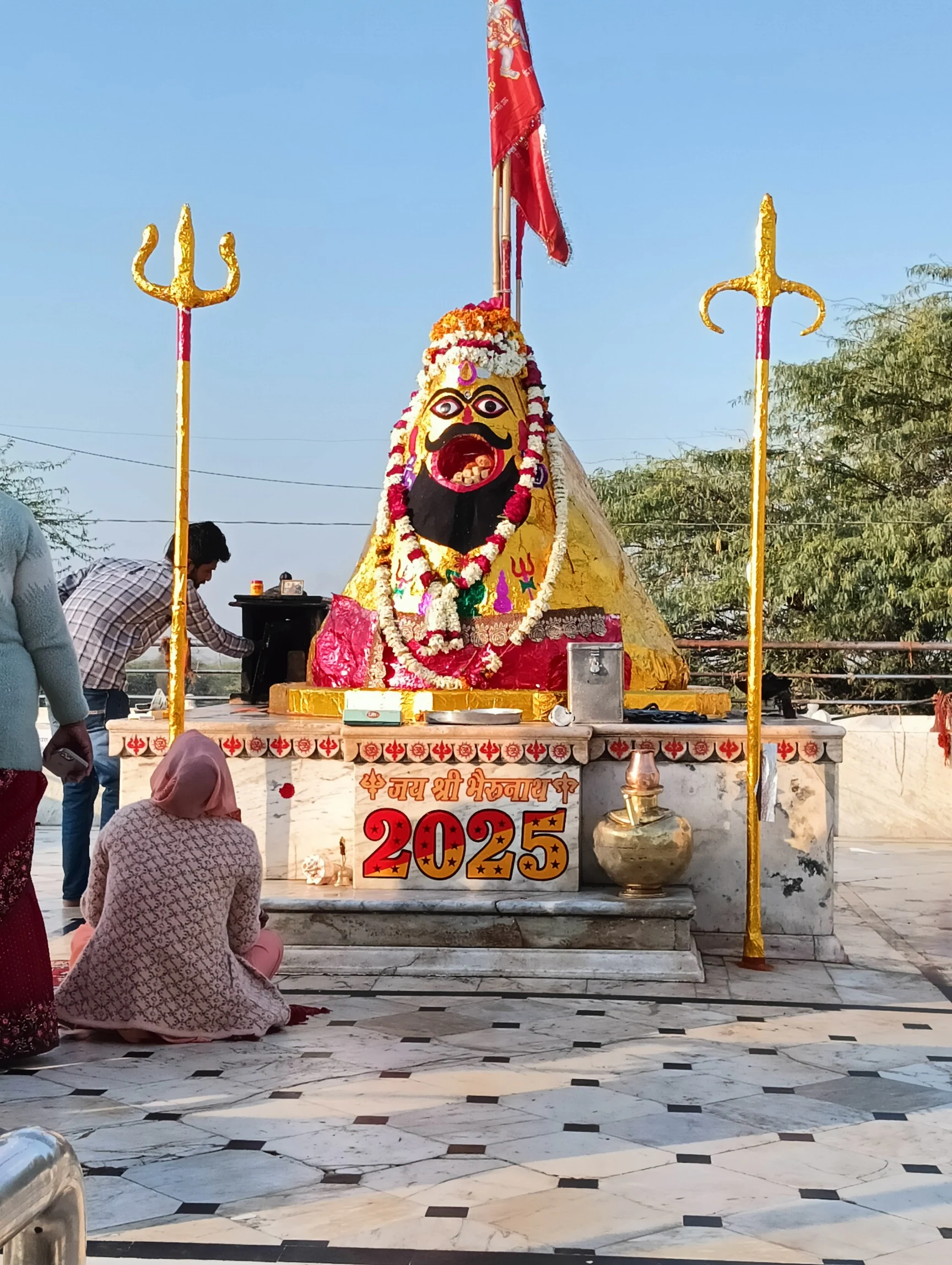
Kodamdesar Temple
Situated 24 km from Bikaner, Kodamdesar Bhainru Ji Temple is a peaceful shrine beside a serene lake. The temple’s simplicity and tranquil surroundings attract both devotees and travelers seeking calm and reflection.
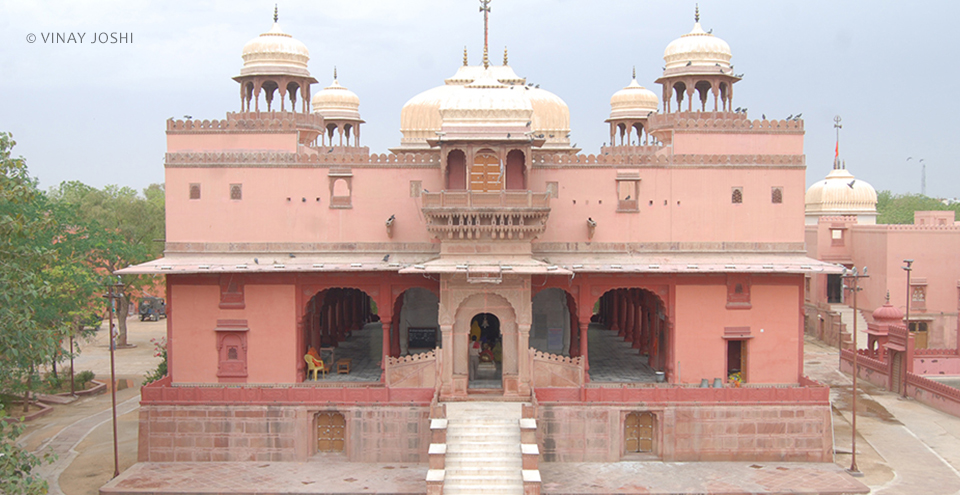
Shiv Bari Temple
Commissioned by Maharaja Doongar Singh in memory of his father, this red sandstone Shiva temple features exquisite wall paintings, a black marble Shivling, and a striking bronze Nandi facing the sanctum.
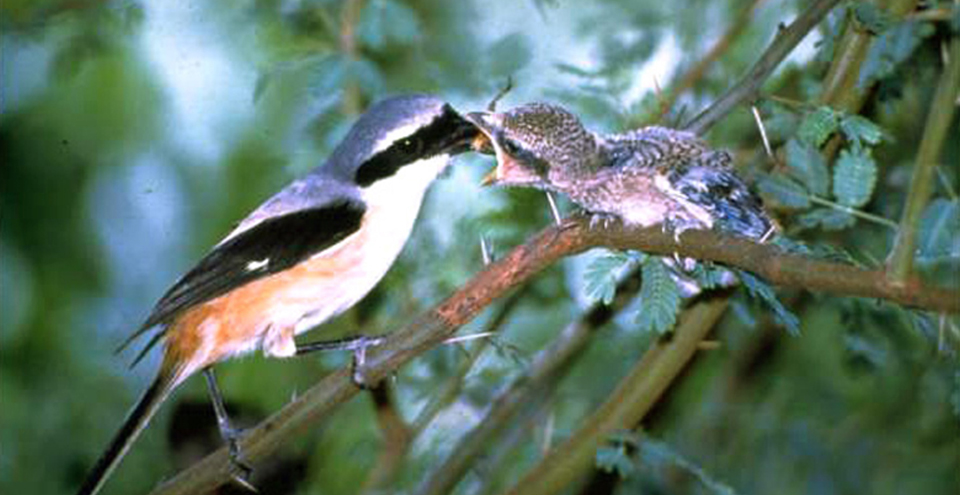
Gajner Wildlife Sanctuary
Located about 32 km from Bikaner, this lush green forest is home to blackbucks, nilgai, chinkara, and migratory birds. The tranquil sanctuary offers a rare opportunity to experience Rajasthan’s natural beauty and wildlife diversity.